Authors: VanBuren Ross Lemons, MD and Laura Jean Anderson, MD
Addiction is more than just a bad habit. It is a neuropsychological condition marked by a powerful compulsion to use substances or repeat behaviors that bring short-term relief or pleasure, even when they cause lasting harm. From alcohol and opioids to gambling and internet use, addiction appears in many ways. What they share is their ability to alter the brain’s reward systems, reshaping chemistry and behavior.
Types of Addiction:
Addictions fall into two broad categories:
Physical addictions:
- Alcohol
- Opioids
- Cocaine
- Amphetamines
- Benzodiazepines
- Marijuana
Behavioral addictions:
- Gambling
- Sex
- Food
- Exercise
- Shopping
- Pornography
- Work
Both types activate the same brain pathways that control craving and compulsion.
The Role of Dopamine
Dopamine is the brain’s chemical messenger of reward and motivation.
- Normal day: about 50 ng/dL
- Very good day: about 100 ng/dL
- After methamphetamine: 1,100 ng/dL
The brain is not designed to handle levels this high. With repeated use, normal dopamine levels no longer feel rewarding. The person then seeks substances or behaviors just to feel “normal.”
The Cycle of Compulsion
When dopamine regulation collapses, the brain treats addiction as a survival issue. This triggers primal behaviors such as lying, stealing, or aggression to regain the addictive substance.
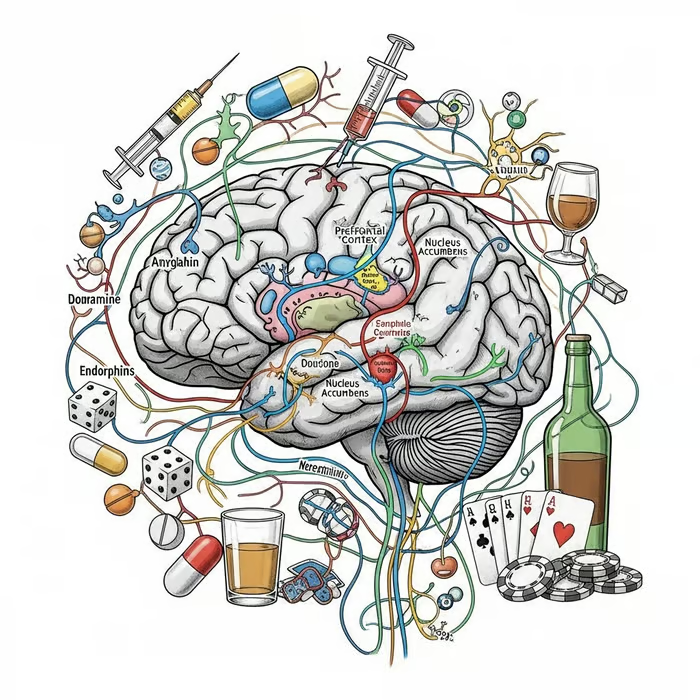
Several brain areas drive this cycle:
- Nucleus Accumbens: amplifies pleasure
- Amygdala: stores memories of cravings
- Prefrontal Cortex: controls judgment and self-restraint
Addiction shifts the balance so that craving outweighs reason.
Withdrawal and Risks
Physical addictions often cause dangerous withdrawal syndromes. Alcohol, opioids, and benzodiazepines are especially high risk. Medical teams use toxicology screens to test for common substances and guide treatment. In many cases, withdrawal must be supervised because sudden detox can be life-threatening.
Can the Brain Recover?
Although addiction rewires the brain, the frontal lobe can counteract cravings. This part of the brain, responsible for reasoning and imagination, can help suppress compulsive drives from deeper regions. Repeated practice and supportive therapies allow people to slowly rebuild control.
Key Takeaways:
- Addiction affects both substances and behaviors.
- Dopamine spikes drive the cycle of craving and compulsion.
- Physical withdrawal can be dangerous without medical care.
- The brain has pathways that can suppress addiction, but it requires repetition and support.
To learn more about Addiction from a neurosurgical perspective, look at our PowerPoint lecture linked here: Addiction Lecture